Family and Medical Leave Act of 1993
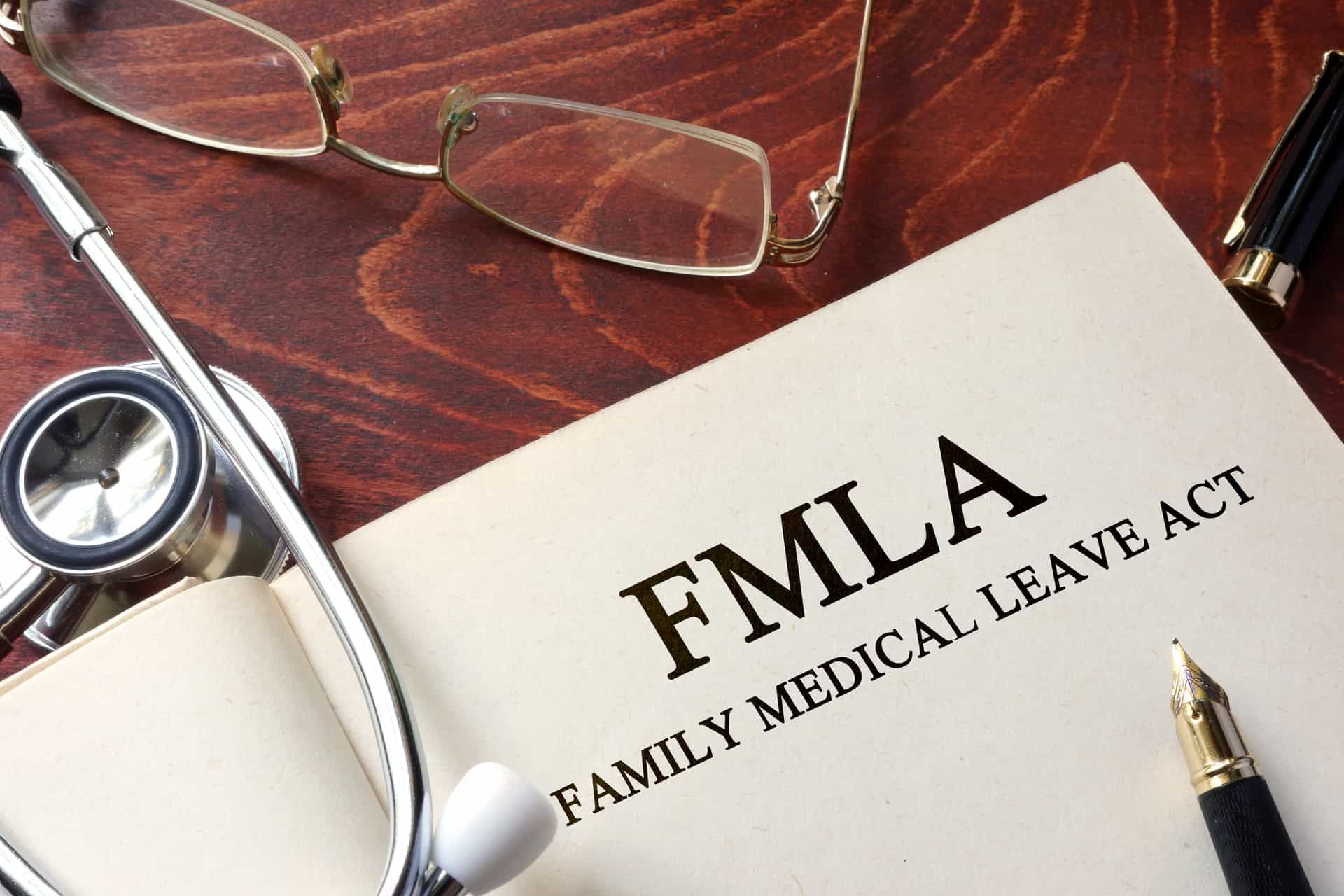
By and large, the federal Family and Medical Leave Act of 1993(hereinafter “FMLA”)( 29 U.S.C. §2601, et seq. ) applies to employers with fifty (50) or more employees for twenty (20) or more calendar workweeks in the current or preceding calendar year.
FMLA Leave Act
To be eligible for FMLA leave, an employee must have been employed by the employer for at least twelve (12) months and have worked at least 1,250 hours during the previous twelve (12) month period. The twelve (12) month period during which an employee may take up to twelve (12) weeks of unpaid FMLA leave is measured from the date on which that employee requests a leave. No employee is entitled to take more than twelve (12) weeks of FMLA leave during any twelve (12) month period.
Overall, the FMLA allows eligible qualified employees to take an unpaid leave of up to twelve (12) weeks during a twelve (12) month period for (1) their own serious health condition that renders them unable to perform their job functions, (2) for time to care for an immediate family member (child, parent, or spouse) with a serious health condition, (3) for the birth of a child or for the placement of an adoptive or foster care child. A “serious health condition” is generally defined as an illness, injury, impairment, or physical or mental condition that requires inpatient care in a medical care facility or continuing treatment by a health care provider. An employer may require employees to exhaust any accrued paid leave such as sick or vacation time as part of their FMLA leave. Leaves of absence and time off provided to an employee for medical/pregnancy-related disabilities are considered a part of, and not an addition to, leave provided for under the FMLA.
FMLA Leave
During the FMLA leave, the employer must maintain the employee’s job position and maintain the employee’s medical benefits on the same terms as though the employee was actively working. Upon returning from FMLA leave, the employee is entitled to be restored to the same or an equivalent position as was held prior to the leave. Contact Jostock and Jostock P.A
Disclaimer: The information on this website and blog is for general informational purposes only and is not professional advice. We make no guarantees of accuracy or completeness. We disclaim all liability for errors, omissions, or reliance on this content. Always consult a qualified professional for specific guidance.
Follow Us
Search Blog
Recent Posts